Varah Puran
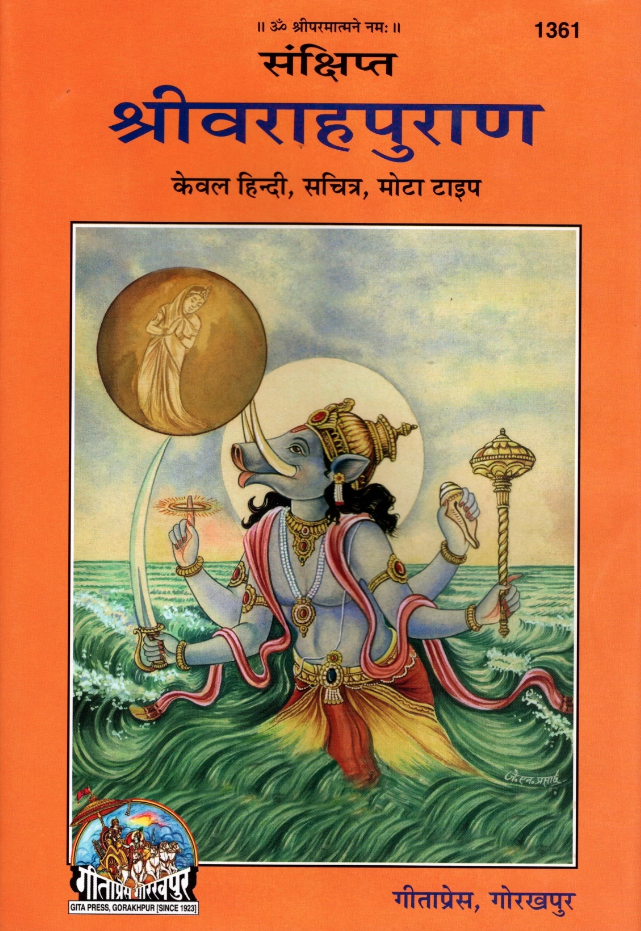
Read or Download Varah Puran
Varaha Purana: Unveiling the Cosmic Secrets and Divine Wisdom
In the vast ocean of Hindu scriptures, the Varaha Purana emerges as a profound reservoir of cosmic knowledge, mythology, and spiritual teachings. Named after Varaha, the boar incarnation of Lord Vishnu, this ancient text delves into the intricacies of creation, the cycles of time, and the pathways to spiritual enlightenment. Composed in Sanskrit, the Varaha Purana stands as a testament to the multifaceted wisdom that weaves together the fabric of the universe.
The Cosmic Avatar:
The Varaha Purana takes its name from the Varaha Avatar, a divine manifestation where Lord Vishnu assumes the form of a boar to rescue the Earth from the cosmic ocean. The text narrates the story of Varaha lifting the Earth from the watery abyss, symbolizing the cosmic cycle of creation and dissolution. This divine act sets the stage for the unfolding of profound spiritual teachings embedded within the Purana.
Mythological Narratives and Cosmic Cycles:
At its core, the Varaha Purana unravels the grand tapestry of mythology, providing insights into the cosmic cycles of time. It explores the creation of the universe, the evolution of different species, and the periodic dissolution of the cosmos. Mythical narratives within the Purana transport readers into a realm where gods, goddesses, and celestial beings partake in cosmic dramas, reflecting the eternal dance of cosmic forces.
The Symbolism of Varaha:
The Varaha Avatar, with its symbolic significance, serves as a metaphor for profound spiritual concepts. The boar, a creature that roots deeply into the earth, represents the grounding of spiritual seekers in the material realm. Varaha’s act of lifting the Earth signifies the divine’s intervention in the human journey, offering a pathway for transcending the mundane and elevating the soul toward higher realms of consciousness.
Spiritual Insights and Pathways to Liberation:
Beyond its mythological narratives, the Varaha Purana imparts spiritual insights and guidance on the pursuit of liberation (moksha). The text elucidates the importance of dharma (righteousness), bhakti (devotion), and jnana (knowledge) as key elements in the spiritual journey. It provides seekers with a roadmap, inviting them to navigate the complexities of life while remaining anchored in the pursuit of higher truths.
Sacred Geography and Pilgrimage Sites:
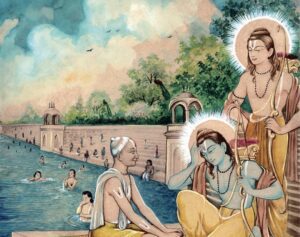
A distinctive feature of the Varaha Purana is its detailed descriptions of sacred geography and pilgrimage sites. The text serves as a guide for devotees, delineating the spiritual significance of various places, rivers, and mountains. Pilgrimage is seen as a transformative journey, allowing individuals to connect with divine energies and cleanse themselves of accumulated karmas.
Rituals and Worship:
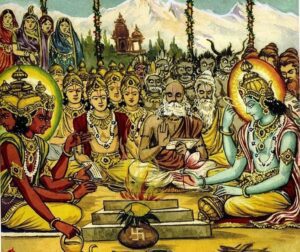
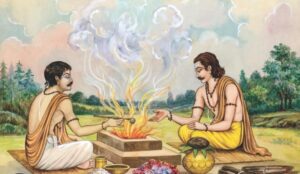
The Varaha Purana outlines various rituals and modes of worship, emphasizing the significance of connecting with the divine through ceremonies and devotional practices. Rituals are viewed as a means of purifying the mind and body, creating a conducive environment for spiritual growth. The Purana underscores the importance of intention and sincerity in one’s worship, transcending the external forms to touch the inner core of devotion.
Ethical Living and Social Harmony:
Ethical living and social harmony form integral components of the Varaha Purana’s teachings. The text expounds on the principles of righteous conduct, emphasizing virtues such as truthfulness, compassion, and non-violence. The Purana envisions a harmonious society where individuals, guided by moral principles, contribute to the well-being of the collective.
Challenges and Interpretations:
As with many ancient texts, the Varaha Purana poses challenges in interpretation. Symbolic language, allegories, and cultural nuances necessitate a nuanced understanding. Scholars engage in a continuous process of study and discourse to decipher the layers of meaning within the Purana, recognizing that its wisdom transcends literal interpretations and requires a deeper exploration of metaphysical truths.
The Relevance in Contemporary Times:
While rooted in ancient traditions, the Varaha Purana’s teachings echo with timeless relevance. Its exploration of cosmic cycles, spiritual practices, and ethical living speaks to the perennial questions of human existence. In the face of modern challenges, the Purana offers insights that can guide individuals on a journey of self-discovery, providing a compass for navigating the complexities of the contemporary world.
Preserving Cultural Heritage:
The Varaha Purana plays a crucial role in preserving and transmitting cultural heritage. Through its narratives, rituals, and teachings, the Purana acts as a conduit for passing down traditional wisdom from generation to generation. It contributes to the continuity of spiritual practices, cultural traditions, and the rich tapestry of the Hindu heritage.
Conclusion:
In the Varaha Purana, seekers encounter a sacred reservoir brimming with cosmic secrets, divine wisdom, and spiritual insights. Its mythological narratives, coupled with profound teachings, offer a holistic perspective on the interplay of the material and spiritual realms. As individuals engage with the Varaha Purana, they embark on a journey that transcends time—a journey into the heart of the cosmic dance, where the boar incarnation of Lord Vishnu lifts the Earth, symbolizing the eternal interconnection between the divine and the earthly.