The Rig Veda
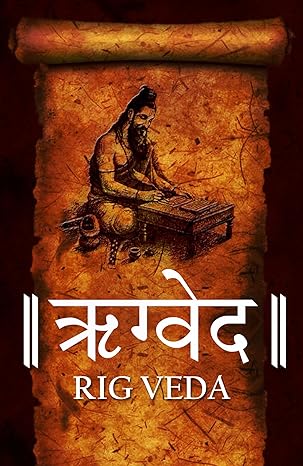
Read or Download Rig Veda
The Rig Veda: Unveiling the Cosmic Hymns of Ancient Wisdom
In the grand tapestry of ancient Indian scriptures, the Rig Veda stands as the oldest and arguably the most profound layer—a collection of hymns that echo through the corridors of time, revealing a cosmic symphony of wisdom, spirituality, and the deep yearning of the human soul for connection with the divine.
The Rig Veda, often considered the foundational text of the Vedic tradition, comprises 1,028 hymns divided into ten books, or Mandalas. These hymns, known as mantras, are not mere verses but are considered to be expressions of divine revelation, received by the ancient seers or rishis. These mystic hymns are dedicated to various deities, cosmic forces, and natural elements, forming a celestial dialogue that explores the mysteries of existence.
The Structure and Essence of the Rig Veda
As we delve into the Rig Veda, the hymns are arranged with a profound sense of order. The first and tenth Mandalas are particularly significant. The opening Mandalas address cosmological and philosophical questions, while the tenth is a hymn of praise and reflection on the unity of the divine.
The Rig Veda encompasses a wide range of themes, from the hymns of creation and the invocations of natural elements to the praises of cosmic order (Rita) and the pursuit of spiritual knowledge (Brahman). It is not merely a religious scripture but a reservoir of philosophical insights, offering a holistic view of life, consciousness, and the interconnectedness of all things.
The Hymns of Creation
The Rig Veda opens with the Nasadiya Sukta, a hymn that contemplates the enigmatic origins of the cosmos. It begins with the famous line: “Then even nothingness was not, nor existence,” inviting readers to ponder the ineffable nature of the pre-creation state. The hymn oscillates between the mystery of creation and the recognition of an ultimate, unknowable reality that transcends human comprehension.
This hymn and others like it set the stage for a cosmic journey, inviting contemplation on the nature of reality, the divine intelligence that governs the universe, and the intricate dance of creation and dissolution.
Deities and Natural Forces: Cosmic Harmony in the Rig Veda
The Rig Veda reverberates with hymns dedicated to various deities and cosmic forces. Agni, the fire god, is praised as a mediator between the earthly and celestial realms. Indra, the king of gods, is celebrated for his strength and valor, symbolizing the triumph of divine order over chaos. Varuna represents the cosmic order and moral law, while Ushas, the goddess of dawn, heralds the arrival of light and wisdom.
These deities are not just anthropomorphic representations but are archetypal forces embodying cosmic principles. The hymns invite contemplation on the interconnectedness of these forces, the divine orchestration of the cosmos, and the role of each deity in maintaining the cosmic order.
Rita and Asha: Cosmic Order and Moral Law
At the heart of the Rig Veda is the concept of Rita, a cosmic order that governs the universe. The hymns contemplate the interplay between Rita and the forces of chaos, emphasizing the necessity of upholding divine law for cosmic harmony.
Parallelly, the concept of Asha in the Rig Veda aligns with the Zoroastrian idea of moral law. It underscores the importance of righteous living, ethical conduct, and the pursuit of truth. The hymns not only extol the virtues of Asha but also explore the consequences of deviating from the path of righteousness.
The Quest for Spiritual Knowledge: Brahman and Beyond
The Rig Veda isn’t confined to external rituals or deistic worship; it delves into the profound realm of spiritual knowledge. It introduces the concept of Brahman, an ultimate reality that transcends the visible, tangible world. The hymns explore the nature of this transcendent reality, the interconnectedness of all beings, and the quest for self-realization.
As the Rishis contemplate Brahman, they recognize that the divine essence pervades every aspect of creation. The Rig Veda becomes a guide for seekers, encouraging them to look beyond the surface of everyday existence and discover the eternal truths that underlie the transient nature of the material world.
The Rig Veda as a Spiritual Guide for Today
While the Rig Veda is ancient, its wisdom is timeless. In a world marked by rapid change and technological advancement, the hymns offer a contemplative refuge. The questions posed in the Nasadiya Sukta resonate with contemporary inquiries into the origins of the universe and the nature of reality. The hymns dedicated to Agni, Varuna, and other deities invite us to connect with the elemental forces that sustain life.
The ethical and moral teachings embedded in the hymns of Rita and Asha remain pertinent. They encourage individuals to reflect on their actions, live in harmony with natural and cosmic laws, and uphold the principles of righteousness in a world often fraught with moral ambiguity.
Moreover, the Rig Veda’s exploration of Brahman and the quest for spiritual knowledge transcends cultural and religious boundaries. It beckons seekers of all backgrounds to embark on a journey of self-discovery, recognizing the interconnectedness of all living beings and the ineffable reality that underlies the diversity of the cosmos.
In conclusion, the Rig Veda is not a relic of the past; it is a living testament to the perennial wisdom that transcends time and space. As we immerse ourselves in its cosmic hymns, we embark on a journey of self-discovery, contemplation, and connection with the eternal truths that have guided humanity since time immemorial.